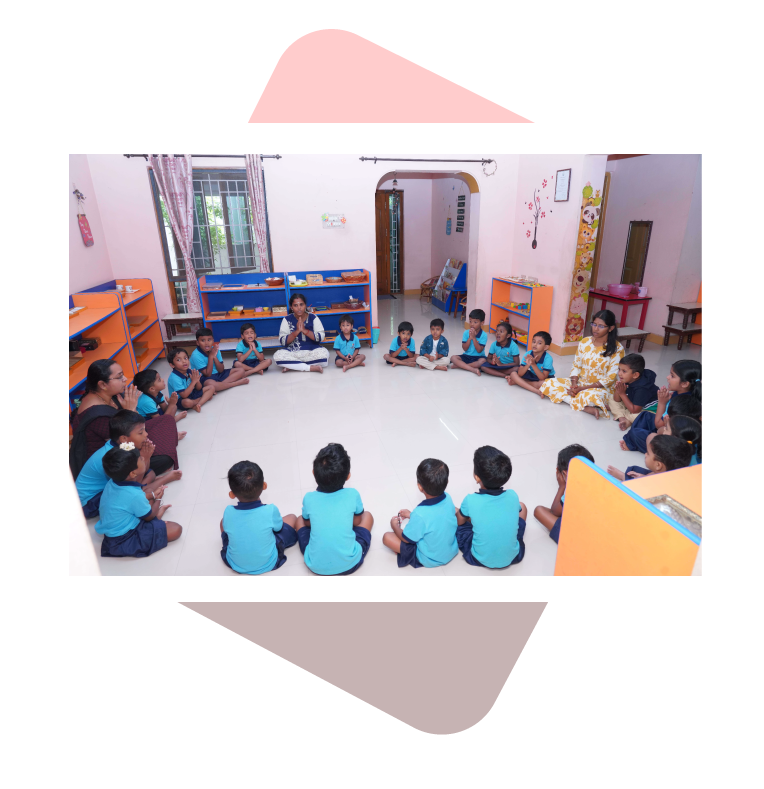
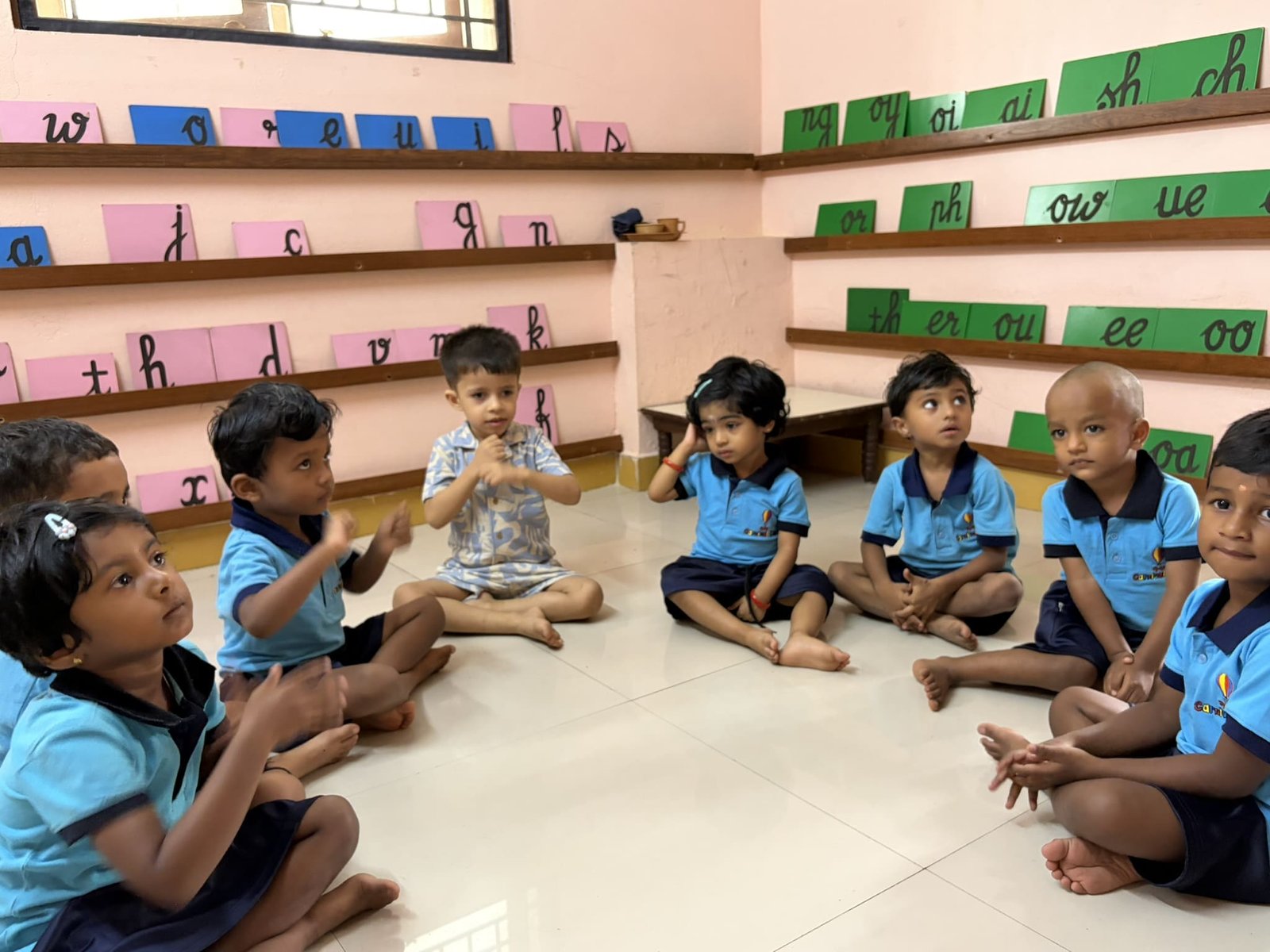
At Carnival Kids, our curriculum is rooted in the Montessori philosophy, which encourages children to explore, discover, and learn at their own pace. We focus on nurturing independence, creativity, critical thinking, and emotional well-being through hands-on learning experiences.
Develop real-world skills
By engaging in meaningful tasks, children gain confidence, learn to care for themselves and their surroundings, and develop habits that support lifelong success.
Grow socially and emotionally
By nurturing a safe and supportive space, we help children become confident individuals who trust themselves, connect easily with others, and handle new situations with courage and optimism.
Montessori 5 Core Areas
What Do Materials in Practical Life, Sensorial, Language, Math & Culture Actually Do? If you’re new to Montessori, you might notice classrooms are filled with unique materials—from pouring cups to bead frames, color tablets to world maps. But these aren’t random “toys”—they’re carefully curated tools that align with Maria Montessori’s belief in holistic child development.
Montessori learning is divided into 5 core areas, each with a distinct purpose. Let’s break down what each area’s materials do, and how they work together to nurture independent, curious learners:
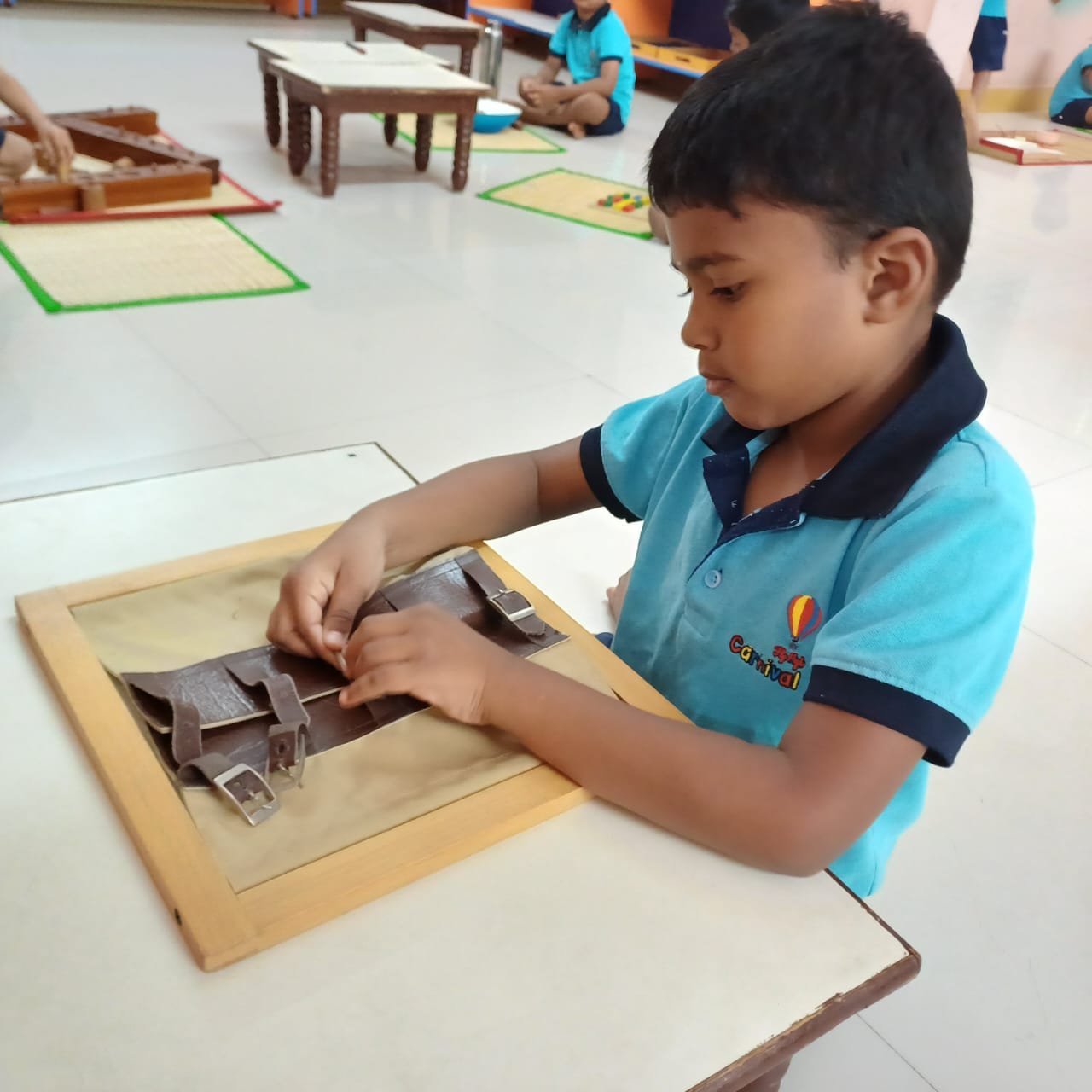
Core Purpose: Build independence, responsibility, and fine motor skills—while connecting learning to real life. Practical Life materials mimic everyday tasks kids see adults do, giving them the chance to “do it themselves.”
What They Do: Teach physical skills (hand-eye coordination, finger strength) that prepare for writing and math. Foster confidence (“I can dress myself!” “I can help clean!”) and a sense of belonging in the community. Cultivate focus and patience—kids repeat these tasks until they master them, at their own pace.
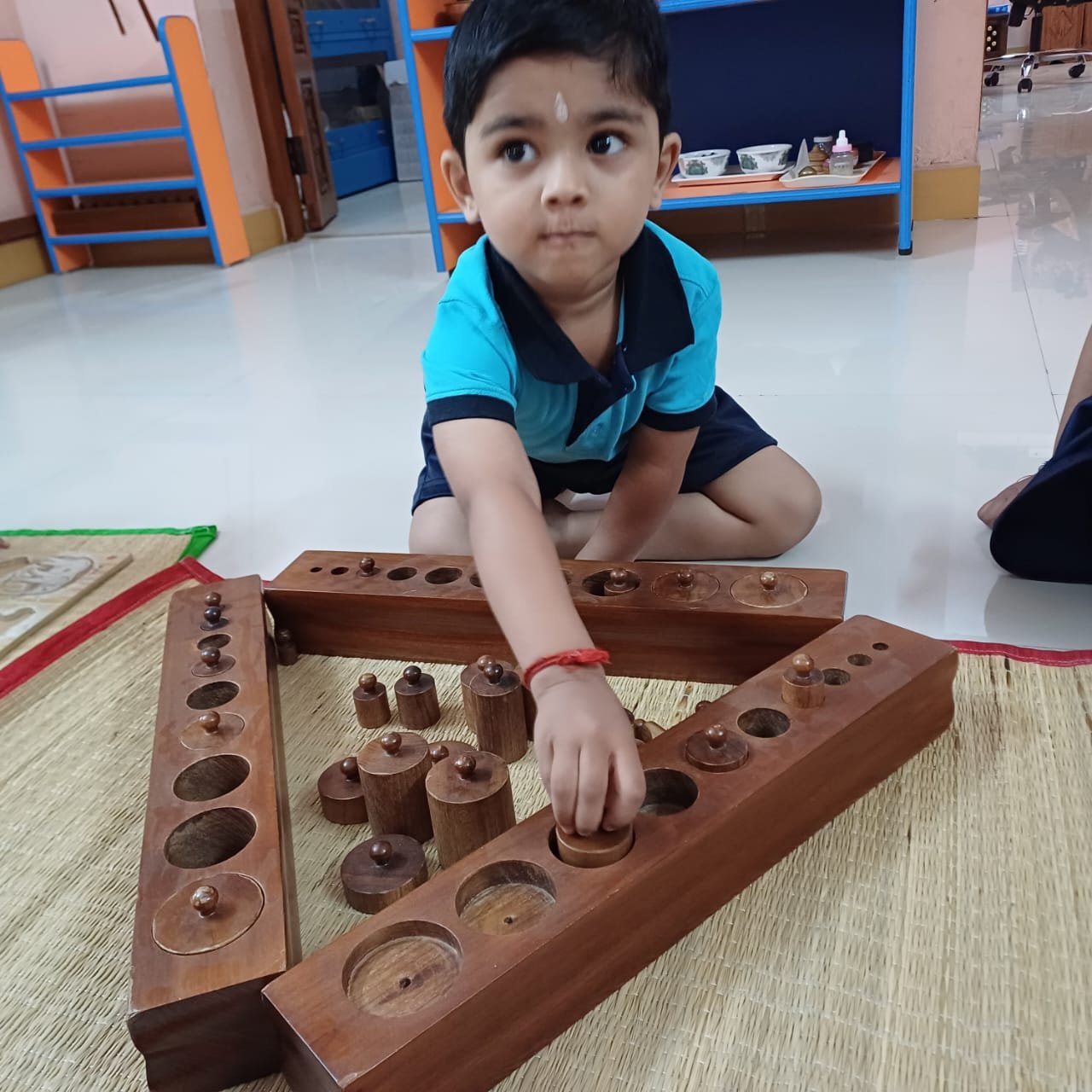
Core Purpose: Refine the 5 senses (touch, sight, sound, smell, taste) and lay the foundation for abstract thinking. Montessori believed sensory exploration is the first step to understanding the world. These materials isolate one sensory quality (e.g., color, texture, weight) so kids can focus and compare.
What They Do: Help kids categorize, compare, and describe the world (“This is smoother than that,” “These sounds are the same”). Develop concentration and observation skills. Create neural pathways that make math (e.g., understanding size/quantity) and language (e.g., describing textures) easier later.
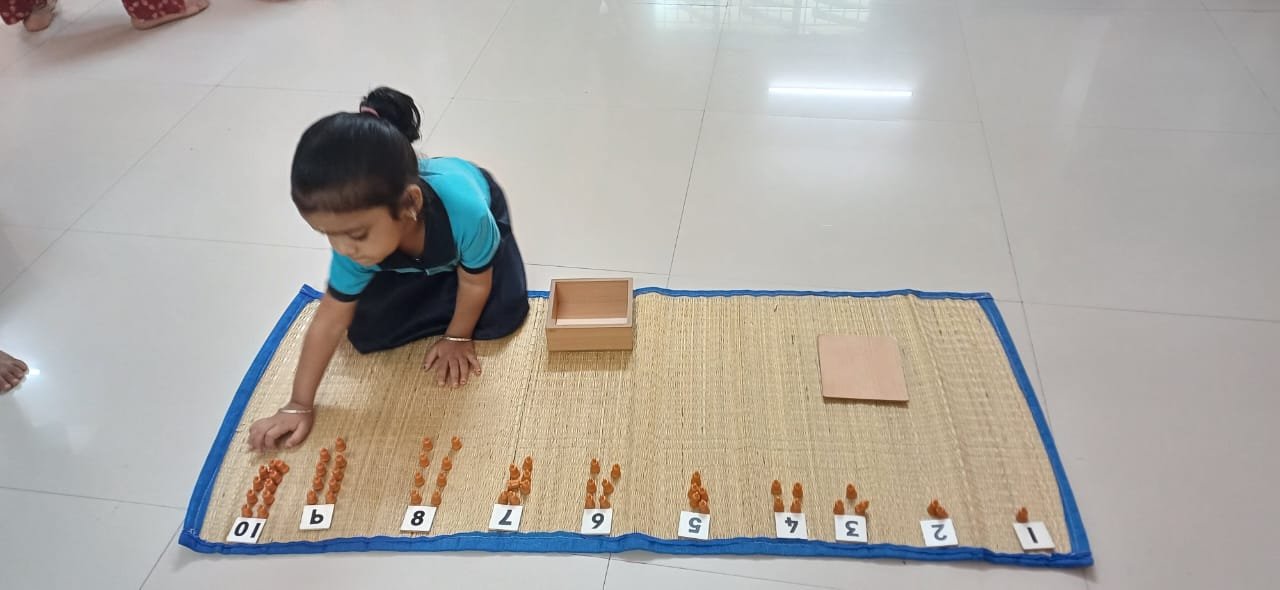
Core Purpose: Turn abstract math concepts into tangible, understandable ideas—so kids understand math, not just memorize it. Montessori math materials utilize concrete objects to teach numbers, operations, and even advanced concepts sequentially.
Key Materials: Number rods (counting + quantity), bead chains (multiplication/division), golden beads (place value)
What They Do: Help kids “see” math: A 4-year-old uses golden beads to understand that “10 ones = 1 ten.” Build logical thinking and problem-solving skills—kids discover math rules through exploration, not lectures. Make math fun! Kids love moving beads, stacking rods, and solving “math puzzles.
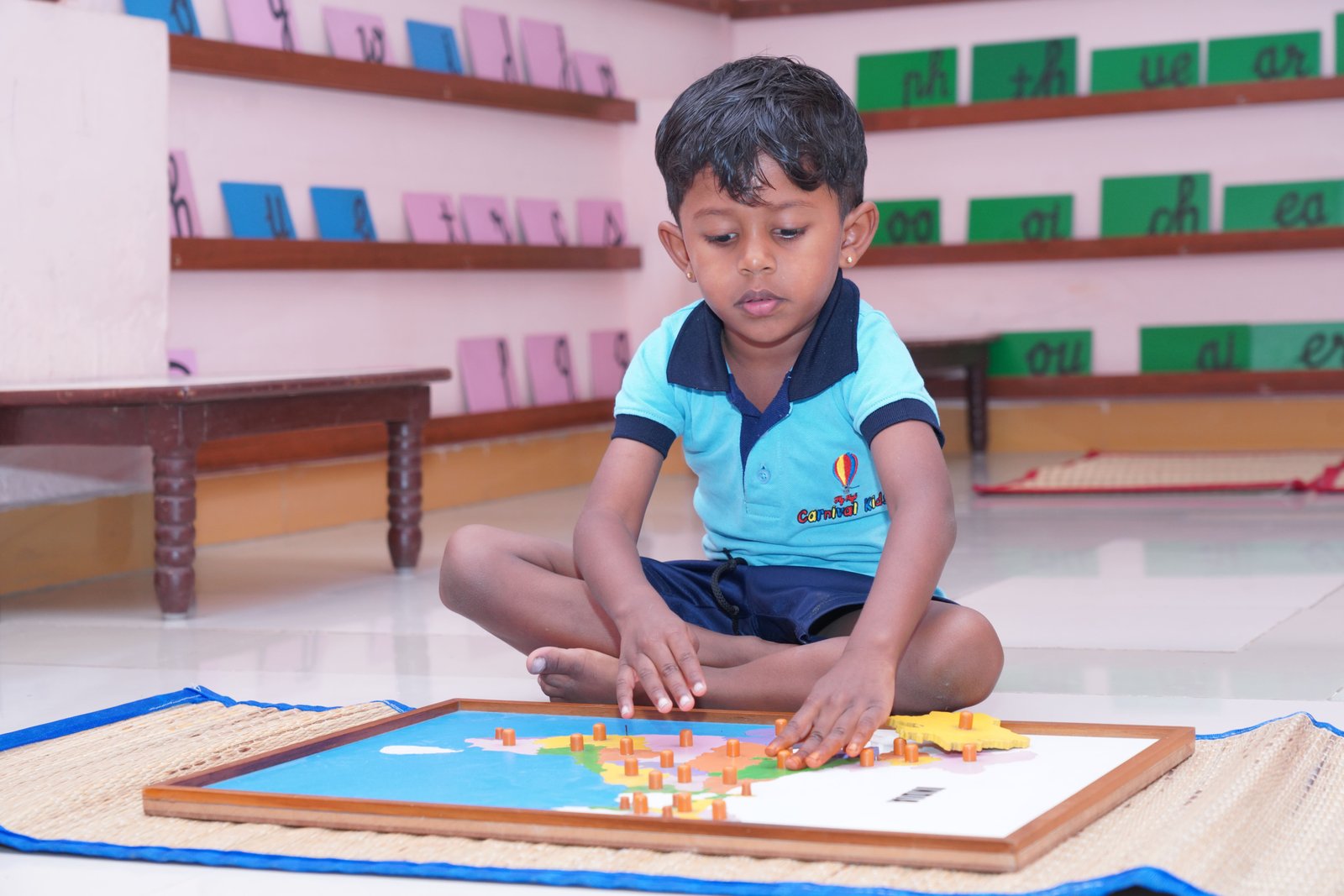
Core Purpose: Expand kids’ worldview, teach respect for diversity, and inspire curiosity about the natural world. This area covers geography, botany, zoology, history, art, and science—all through hands-on materials.
Key Materials: Puzzle maps (learning continents/countries), plant life cycles, animal classification cards, timeline materials (history), art supplies (painting, weaving).
What They Do: Nurture global citizenship—kids learn about different cultures, animals, and environments. Connect kids to nature and teach responsibility (caring for the classroom). Encourage questions like “Where do pandas live?” or “How do flowers grow?”—fostering a love of learning beyond the classroom.
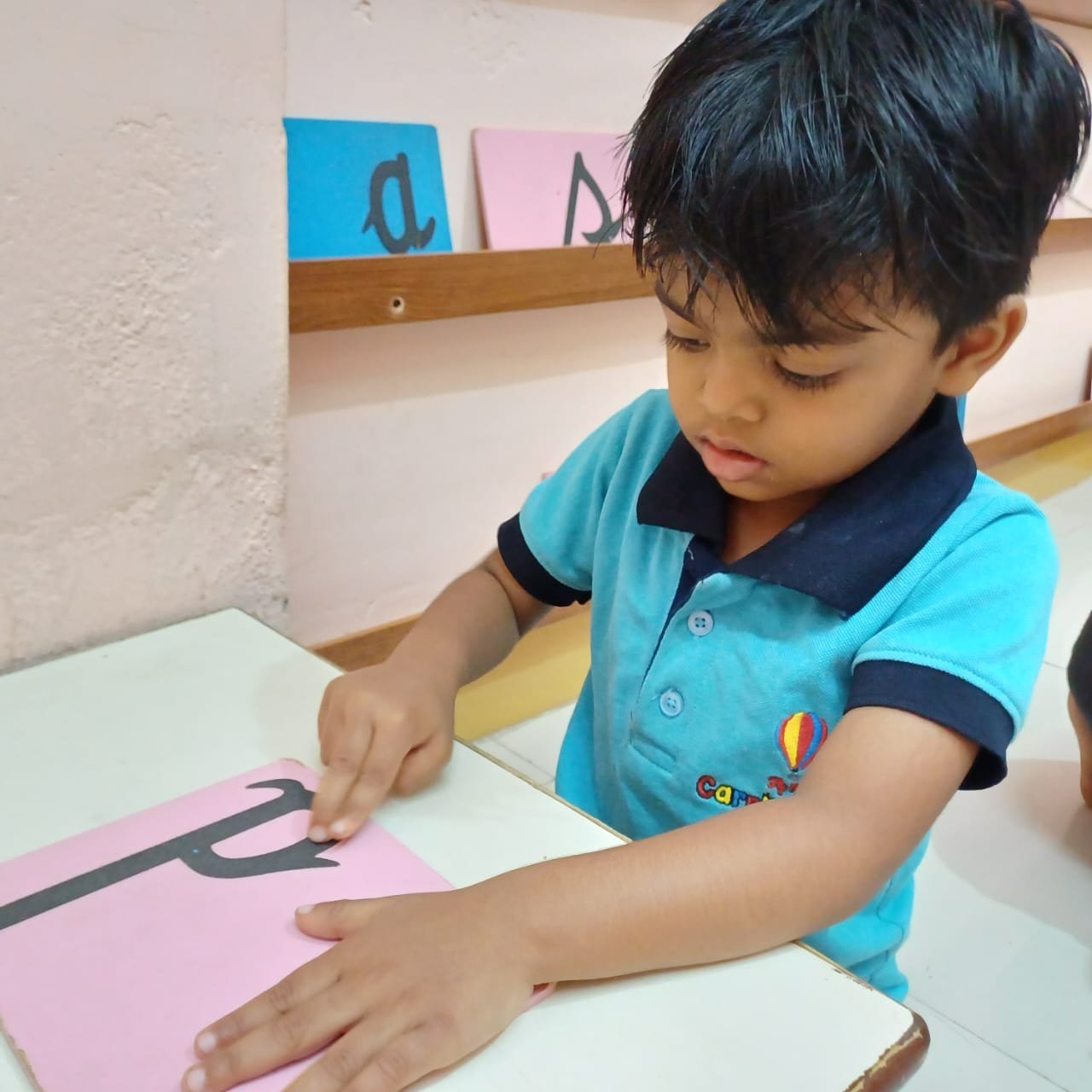
The Magic of Montessori: It’s All Connected! What makes Montessori special is how these 5 areas work together. A child might practice pouring water (Practical Life) to build hand strength for holding a pencil (Language). They might use color tablets (Sensorial) to sort flowers (Culture) and count petals (Math). Every material serves a purpose—nurturing the whole child: cognitive, social, emotional, and physical
What They Do: Teach physical skills (hand-eye coordination, finger strength) that prepare for writing and math. Foster confidence (“I can dress myself!” “I can help clean!”) and a sense of belonging in the community. Cultivate focus and patience—kids repeat these tasks until they master them, at their own pace.